
How to Plan a Brunch Wedding That Feels Chic
A brunch wedding changes the whole rhythm of the day in the best way. Instead of building everything around a late-night reception, you get a celebration that feels fresh, relaxed, and a little more unexpected. If you're figuring out how to plan a brunch wedding, the goal is not to make it feel like a breakfast with vows. The goal is to create a wedding that feels intentional, stylish, and genuinely fun from the first coffee pour to the last toast.
For a lot of couples, that starts with what brunch weddings do especially well. They often cost less than an evening event, they feel lighter and more social, and they give you room to lean into details guests will actually remember. Think natural light, a beautiful meal, and a timeline that leaves everyone energized instead of exhausted. That said, brunch weddings work best when the format is planned on purpose. Morning events have their own pacing, menu needs, and guest expectations.
How to plan a brunch wedding around the right timeline
The biggest mistake couples make is treating a brunch wedding like a standard wedding moved earlier. It needs a different flow. Guests are arriving at a different energy level, your vendors are working on a tighter morning schedule, and the event usually benefits from a cleaner, more efficient timeline.
A ceremony start time between 10:30 a.m. and noon usually works well. Earlier than that can feel rushed for guests, hair and makeup teams, and family members traveling in. Later than that can push brunch into an awkward lunch territory unless that is the look and feel you want.
If you're hosting both ceremony and reception in one place, the schedule gets much easier. Guests can settle in, enjoy the ceremony, and move straight into cocktails, coffee, and food without transportation gaps. That matters even more in the morning, when nobody wants long downtime in formalwear.
Build more prep time into the front of the day than you think you'll need. Hair, makeup, getting dressed, portraits, and family arrivals all happen before many people have fully woken up. A venue with bridal and groom suites, onsite ceremony and reception space, and planning support can make a major difference here because it removes the stop-and-start feeling that can throw off a brunch event.
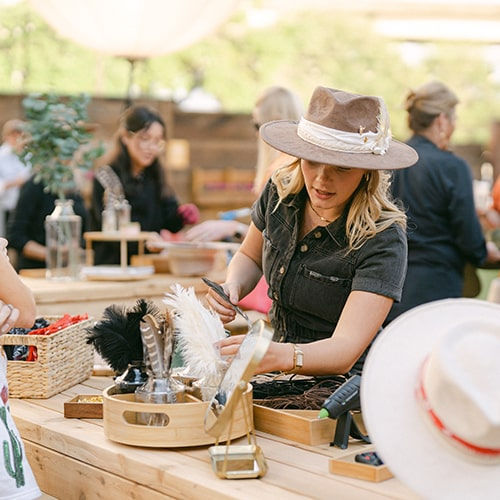
The menu sets the mood
Food is where brunch weddings either feel elevated or feel accidental. A smart brunch menu should be clearly brunch, but still special enough for a wedding. That usually means balancing breakfast favorites with more polished options and making sure the meal feels full, not limited.
You do not need a novelty menu to make it memorable. Guests love recognizable food when it's done well. Fresh pastries, egg dishes, chicken and waffles, breakfast potatoes, fruit, biscuits, smoked salmon, quiche, and a few lunch-leaning options can create a spread that feels generous and stylish without trying too hard. (Think waffle bar or omlet station!)
Presentation matters more than sheer volume. A brunch buffet can look beautiful if it's thoughtfully styled, while a plated brunch can feel more formal and streamlined. It depends on the tone you want. Buffet service often feels more relaxed and social. Plated service can be a better fit if you want a cleaner timeline and a more refined guest experience.
Do not forget the caffeine strategy. Good coffee is not a side detail at a brunch wedding. It's part of the hospitality. Coffee service, espresso drinks, hot tea, and chilled juices go a long way toward making guests feel cared for from the start.
Brunch wedding drinks should feel festive, not heavy
One reason couples love this format is that the bar can feel celebratory without becoming the center of the day. A brunch wedding naturally supports a lighter beverage menu, which can also help your budget.
Mimosas and bellinis are obvious choices, but they should not be the only plan. A small, well-curated bar often works better than trying to recreate a full evening cocktail setup before noon. Consider a few signature options, sparkling wine, light beers, cold brew cocktails, Bloody Marys, and plenty of nonalcoholic choices.
This is also where your guest list matters. If your crowd loves a lively party, you can absolutely keep the energy up with music and cocktails. But if your guests are more family-focused or multigenerational, a brunch bar that feels polished and approachable may suit the day better than a full late-night reception vibe.
Design matters even more in daylight
Brunch weddings live in natural light, which is one of their biggest advantages. Florals, tablescapes, attire, and architecture all read differently during the day. That means your design choices should feel clean, intentional, and strong without relying on dim lighting or dramatic evening effects.
Lighter color palettes often work beautifully, but this does not mean everything has to be pastel. Crisp neutrals, muted greens, warm terracotta, soft blues, or modern black-and-white details can all look stunning in a daytime setting. The key is choosing a palette that feels confident in full light.
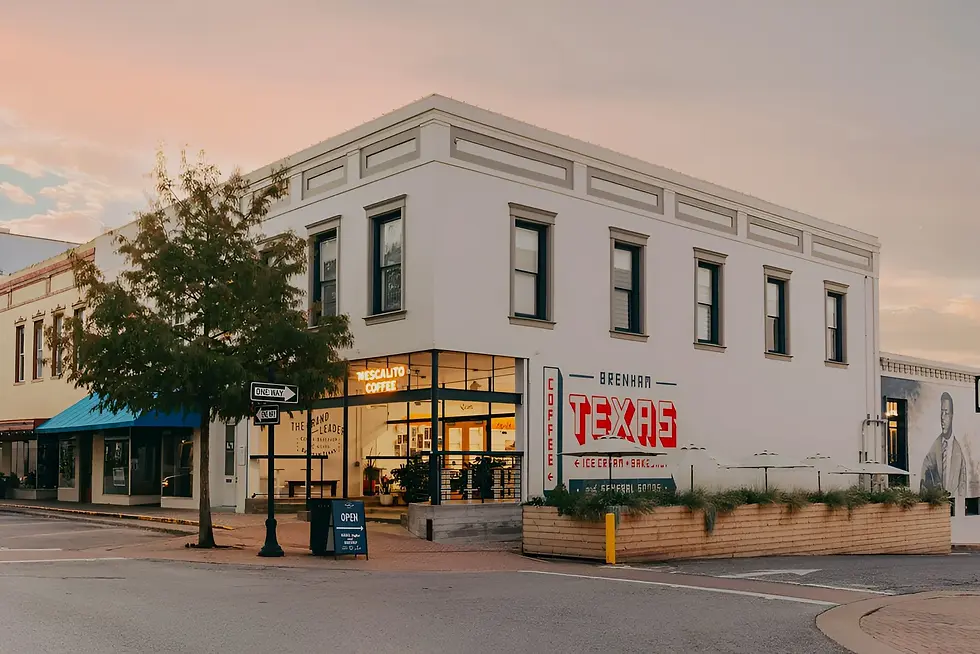
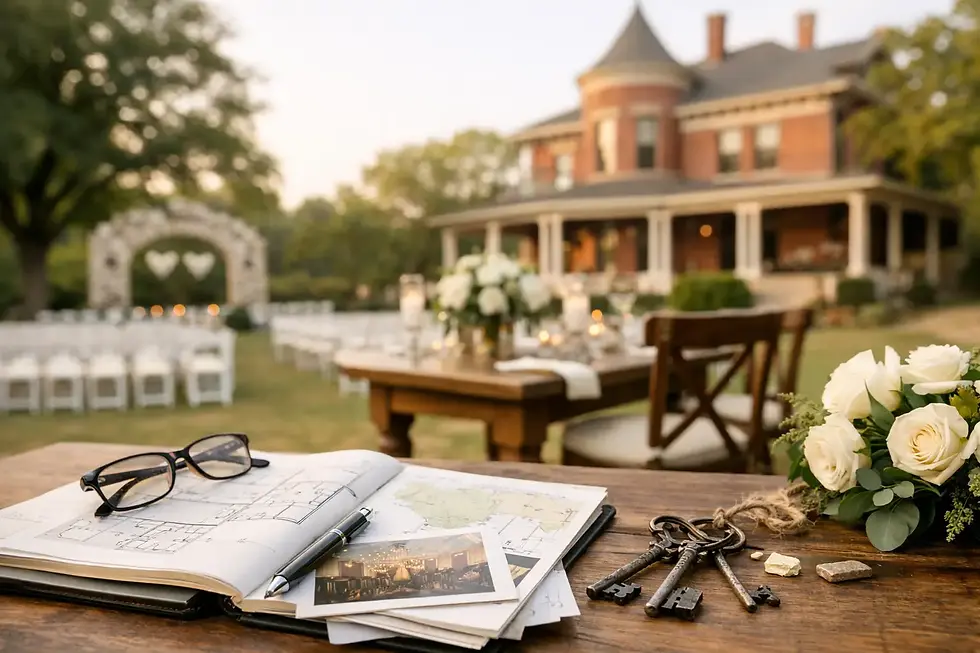
Your venue plays a huge role here. A design-forward space with real character, strong architecture, and good daylight can do a lot of the visual work for you. Historic details, indoor-outdoor flow, and spaces that already feel polished help a brunch wedding look elevated without requiring excessive decor.
Florals and rentals should support the atmosphere rather than crowd it. Daytime weddings tend to benefit from a lighter hand. Beautiful tables, textured linens, thoughtful place settings, and well-placed floral moments usually create more impact than trying to fill every corner.
How to plan a brunch wedding your guests will actually enjoy
Guest experience is where brunch weddings can really shine. They are often easier for out-of-town family, more comfortable for older relatives, and a great fit for couples who want a celebration that feels social instead of overly staged.
Still, convenience matters. A central location, easy parking, walkable downtown surroundings, and a layout that keeps the event moving smoothly all make the day feel better for everyone. Morning weddings leave less room for logistical friction. If guests are confused about timing, waiting too long for food, or moving between too many locations, the charm fades quickly.
This is also one of the best formats for a guest count in the 50 to 150 range. It feels intimate enough for meaningful connection, but still lively enough to feel like a true celebration. In that size range, people can actually talk, enjoy the meal, and stay present for the full event instead of getting lost in a crowd.
Music should match the timing. You do not need a packed dance floor at 11 a.m. to have a great wedding. Live acoustic music, a jazz trio, a strong curated playlist, or a DJ who understands daytime energy can create exactly the right feel. Some brunch weddings still end with plenty of dancing. Others lean more conversational and food-forward. Both can work.
Budget advantages are real, but they depend on your choices
A brunch wedding can be more affordable, but it is not automatically inexpensive. The savings usually come from a few specific areas: lower food and alcohol costs, shorter event windows, and sometimes more flexibility in venue pricing.
That said, if you add premium rentals, elaborate floral installs, a full open bar, and a long post-wedding after-party, your budget can climb fast. Brunch gives you an opportunity to spend differently, not necessarily less.
This is why package flexibility matters. Some couples want an all-inclusive approach that handles planning, bar service, and coordination in one place. Others want more DIY freedom. Neither is wrong, but the more moving parts you manage yourself, the more important timing and vendor coordination become, especially for a morning event.
If ease matters to you, look for a venue that already supports the format well. A stylish space with ceremony and reception areas, a courtyard or outdoor option, private suites, bar service, and in-house planning support can save real money in indirect ways by reducing rentals, transportation, and day-of stress.
A brunch wedding should still feel like a wedding
This is the part worth remembering through every planning decision. Brunch weddings are popular because they feel fresh, but the best ones do not feel casual by default. They feel considered.
That might mean a champagne welcome, custom signage, beautiful lounge seating, a tiered cake with fresh fruit, or a dress code that feels polished but comfortable. It might mean a send-off by early afternoon so you can host an after-party later, or it might mean ending on a high note with one last toast and letting the whole day stay simple.
There is no single formula for how to plan a brunch wedding because the right version depends on your guest list, your budget, and the kind of atmosphere you want to create. But if you choose a beautiful setting, keep the timeline tight, serve food people are excited to eat, and build the day around ease as much as style, a brunch wedding can feel every bit as special as an evening celebration - and often more memorable for it.
If you love the idea of a wedding that feels bright, modern, and actually enjoyable from start to finish, brunch might be the fresh spin that fits you best.
Comments