
Historic Venue Planning Guide for Texas Events
Updated: Aug 7
A historic building gives a celebration something a blank ballroom cannot manufacture: a sense of place. This historic venue planning guide is for couples, families, and hosts who want that character without treating logistics as an afterthought. Original brick, high ceilings, weathered details, and downtown energy can make an event feel instantly personal - as long as the space works as beautifully as it photographs.
Historic venues are not one-size-fits-all. The right one brings atmosphere, comfort, and a clear plan together, so your guests remember the celebration, not the parking question or the line at the bar.

Start With the Guest Experience
Before choosing a color palette or comparing table linens, picture the full guest journey. Where will people park? Will they know where to enter? Can grandparents move comfortably from ceremony to cocktail hour? Is there a welcoming place to gather before the festivities begin?
For weddings and social events of 50 to 150 guests, flow matters more than sheer square footage. A venue can be expansive and still feel awkward if the ceremony, bar, dining area, and dance floor compete for the same corner. Look for distinct spaces that connect naturally, such as an indoor hall paired with a courtyard or garden. That gives guests a change of scene without creating a complicated transition.
Historic buildings often have architectural quirks, and that is part of the appeal. A column, stairwell, exposed wall, or original doorway can become a favorite photo moment. Still, ask how those features affect seating layouts, wheelchair access, vendor load-in, and guest circulation. Character should add to the experience, not make it harder to enjoy.
Choose Historic Character That Fits Your Style
“Historic” can mean many things. A Victorian home creates a different mood than a former warehouse, schoolhouse, theater, or industrial laundry building. The best fit is not necessarily the oldest property or the one with the most ornate details. It is the one that supports the celebration you actually want to host.
Couples looking for a fresh spin on a Texas wedding may prefer a renovated industrial space with exposed brick, warm lighting, and clean lines over a formal, period-style venue. That setting can hold its own with minimal décor, leaving room for modern florals, bold tablescapes, a live band, or a playful late-night moment. It also offers a welcome alternative to the familiar barn wedding or hotel ballroom.
When touring, pay attention to what is already doing the design work. Are the floors, walls, windows, and lighting attractive enough that you can edit your décor budget? Does the venue look just as good in daylight as it does after dark? Historic architecture can save you from overdecorating, but only if the existing finishes match your vision.
Your Historic Venue Planning Guide to Practical Questions
A beautiful room is the starting point. The practical details determine whether planning feels easy or becomes a series of workarounds. Ask direct questions early, especially before you build a budget around a venue.
Confirm capacity by event layout
A stated capacity can be misleading without context. Ask how many guests fit comfortably for a seated dinner, ceremony, cocktail-style reception, or corporate meeting. A room that accommodates 150 standing guests may not comfortably seat 150 with a dance floor, band, buffet, and bar.
Request sample floor plans for an event close to your guest count. This is one of the fastest ways to see whether the room will feel lively and generous rather than crowded. For a wedding, consider where the head table, cake, gift table, DJ or band, and photo moments will land before committing.
Ask what is included
Venue pricing is only useful when you understand what comes with it. Find out whether tables, chairs, setup, cleanup, bar service, suites, sound equipment, and staff support are included or separate. A lower rental rate can become less appealing when every operational need is an add-on.
For many hosts, package flexibility is the sweet spot. You may want an all-inclusive option that reduces decisions, or you may have a trusted caterer and a clear vision for a more DIY approach. Both can work well. The key is choosing a venue that explains the options plainly and does not leave you guessing about the final investment.
Check vendor and bar policies
Some historic venues protect their spaces with preferred vendor lists, while others allow more flexibility. Neither policy is automatically better. Preferred vendors can simplify planning because they know the load-in process, kitchen setup, and building rules. Open vendor policies can be ideal if a specific caterer, planner, or band is central to your event.
Bar service deserves the same attention. Ask who provides it, what packages are available, whether you can customize selections, and how the bar placement affects the room. A full bar can be a natural gathering point, but it should support the party without creating congestion during dinner or toasts.
Build a Weather Plan You Actually Like
Courtyards, gardens, and outdoor ceremonies are a major part of the magic at a historic downtown venue. They also require a real rain plan. “We will figure it out” is not a plan, especially in Texas, where a sunny afternoon can turn into a storm warning quickly.
Ask to see the indoor backup layout, not just hear about it. Where does the ceremony move? Does the revised arrangement still leave room for dining and dancing? How much notice does the venue need to make the switch? A strong backup plan should feel like a second good option, not a disappointment.
Weather planning also includes heat. If you are hosting in late spring through early fall, consider the comfort of guests during an outdoor ceremony, cocktail hour, or photo session. Shade, hydration, timing, and a quick path back indoors make a difference. The goal is not to avoid outdoor moments. It is to plan them thoughtfully.
Use the Building’s History Without Turning It Into a Theme
There is no need to fill a historic venue with antique props simply because the building has a past. Let the architecture do its job, then bring in details that feel like you. Modern candles against old brick, colorful florals in an industrial hall, or a sleek lounge setup in a courtyard can create a look that is layered rather than overly themed.
If the history is meaningful to the property, ask the venue team what stories guests might enjoy hearing. A few thoughtful details on a welcome sign, cocktail menu, or ceremony program can add context. Keep it light. Your event should feel rooted in the setting, not staged like a museum exhibit.
Lighting is especially powerful in older spaces. Warm uplighting can bring texture to masonry walls, while café lights or candles can soften larger rooms and courtyards. Ask what built-in lighting is available and what your photographer recommends. Historic details tend to photograph beautifully when the lighting plan respects their texture.
Give Yourself a Real Getting-Ready Plan
A calm start changes the entire tone of an event day. Dedicated bridal and groom suites, or separate private areas for each group, give everyone room to dress, eat, store belongings, and take a breath before guests arrive.
Ask when you can access the venue, whether hair and makeup teams have enough outlets and natural light, and how personal items are secured during the event. Also consider whether you want to do a first look on-site. A building with varied backdrops can make this easy, while keeping your wedding party close and the schedule manageable.
For birthdays, reunions, and corporate gatherings, the equivalent question is where hosts, speakers, or VIP guests can regroup. A private room can be just as useful for final presentation prep as it is for wedding-day touch-ups.
Work With a Team That Knows the Space
Historic venues reward experience. The people supporting your event should understand how the room transforms from ceremony to reception, where catering stations work best, and how to keep timing on track without making the day feel rushed.
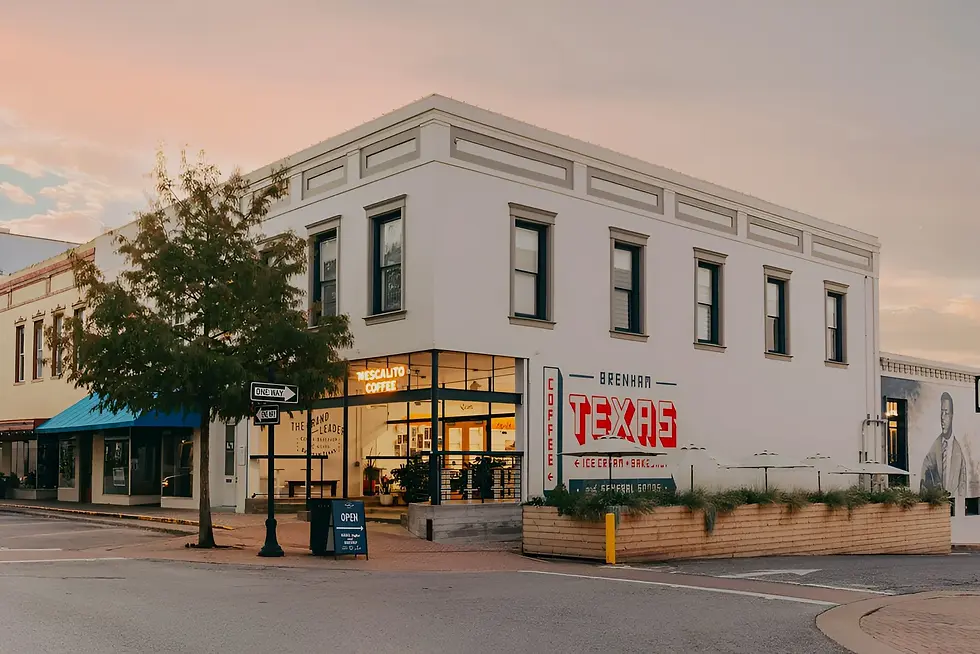
At The Laundry Event Hall, that local knowledge is part of the experience. A renovated 1880s industrial building has a personality all its own, and planning support helps couples make the most of its ceremony spaces, courtyard garden, full bar, and downtown Brenham setting.
You do not need a complicated production for a memorable event. You need the right room, a guest count it can hold comfortably, and a team that can guide the details with confidence. When those pieces line up, historic character becomes more than a backdrop. It becomes part of the memory your guests carry home.


Comments