
How to Choose a Historic Wedding Venue
Some wedding spaces photograph well and still feel flat in person. A great historic wedding venue does both. It gives you real character the second guests walk in, but it also needs to work for the way modern weddings actually move - from getting ready to ceremony, cocktails, dinner, dancing, and the final sendoff.
That balance is what makes the search worth doing carefully. If you love the idea of exposed brick, original architecture, tall windows, and a setting that feels storied instead of standard, a historic venue can be the perfect fit. But charm alone is not enough. The right space should feel beautiful, practical, and easy to celebrate in.
Why a historic wedding venue feels different
There is a reason couples keep coming back to historic spaces when they want a wedding that feels personal. Older buildings carry a sense of texture and depth that new construction often cannot replicate. The walls, floors, and architectural details already bring personality to the room, so your wedding starts with a strong visual foundation before you add a single floral arrangement.
That matters if you want a celebration that feels elevated without looking overdone. In a historic venue, the setting does part of the design work for you. Industrial details, vintage materials, original windows, and layered interiors create an atmosphere that feels warm, stylish, and memorable. For couples trying to avoid a cookie-cutter ballroom or a barn that feels too expected, this can be exactly the fresh spin they are after.
There is also an emotional pull. Historic spaces tend to feel intimate even when they are open and airy. They invite guests to settle in, look around, and remember where they are. That kind of atmosphere changes the energy of the day. It feels less like renting a room and more like hosting an experience.
What to look for in a historic wedding venue
The first question is not just whether the venue is beautiful. It is whether it supports your guest count comfortably. A space for 50 to 150 guests needs to feel flexible, not crowded at one end and empty at the other. Ask how the room is typically arranged for ceremonies and receptions, and whether the floor plan still leaves space for dining, dancing, and natural movement.
Flow matters more than many couples expect. A venue can be stunning in photos and still create friction on the actual day if guests have nowhere to gather between events, if the bar causes congestion, or if the dance floor feels disconnected from dinner seating. Historic buildings often have unique layouts, which can be a major asset, but only when that layout has been adapted well for events.
Amenities also matter. A beautiful shell is not the same thing as a fully functional wedding venue. Look for practical features that make the day smoother, like dedicated getting-ready suites, separate ceremony and reception areas, an onsite bar, accessible restrooms, and outdoor space that adds flexibility. If the venue offers planning support or package options, that can make a major difference in how manageable your wedding feels.
Parking and location are worth thinking about early too. A downtown setting can be incredibly appealing because it feels lively, easily walkable from hotels, and easy for guests to find. It may also give you better access to hotels, restaurants, and weekend activities. For Texas couples hosting friends and family from Houston, Austin, or College Station, a centrally located venue often makes attendance simpler and the whole weekend more enjoyable.
Historic style should still feel current
One of the biggest misconceptions about a historic venue is that it has to lean heavily traditional. It does not. The best ones pair old architecture with clean design, updated services, and flexible event planning. That is often where the magic happens.

If your taste is more modern than formal, pay attention to how the venue blends character with freshness. Original brick and iron details can look incredibly current when paired with thoughtful lighting, tailored rentals, modern florals, and a layout designed for today's events. A good historic space should feel distinctive, not dated.
This is especially important if you want your wedding to reflect your style instead of a preset theme. Some venues push every event toward one look. Others give you a strong backdrop that still leaves room to personalize the experience. That flexibility can be the difference between a wedding that looks nice and one that actually feels like yours.
Questions worth asking on your tour
A tour should tell you more than whether the room is pretty. It should help you understand what your day would actually feel like there. Ask how the venue handles transitions between ceremony and reception. Ask what is included with the rental, what requires outside vendors, and what support is available before and during the event.
It is also smart to ask how the venue works with different wedding styles. If you want something all-inclusive, can they simplify the planning process? If you are more hands-on, do they allow a DIY approach without making logistics harder than they need to be? The strongest venues can support both, which gives you more control over budget and experience.
You should also ask about weather plans if there is outdoor space involved. Courtyards and gardens can be a huge asset, especially for cocktail hour or ceremonies, but backup options matter. A venue that has thought through those details usually brings a calmer, more confident planning experience overall.
The trade-offs to think through
A historic wedding venue comes with clear strengths, but it is worth being realistic about trade-offs. Some older buildings have layout limitations, stricter load-in windows, or design quirks that do not suit every event. Depending on the property, there may be rules in place to protect original materials or architectural features. None of that is necessarily a problem, but it should be clear from the start.
The upside is that well-renovated historic venues often offer a much more curated experience than larger, more generic event spaces. Instead of paying for square footage you do not need, you are investing in atmosphere, design, and a setting people will actually remember. For many couples, that is a better value.
It also helps to think beyond the ceremony. Weddings are not static. Guests arrive, mingle, eat, toast, dance, and move through different parts of the day. A venue with character is wonderful, but a venue with character and operational ease is where everything starts to click.
Why this style works so well in Texas
Texas couples often want a wedding that feels stylish without becoming overly formal. They want a space that is polished but still comfortable, memorable but still easy for guests to enjoy. That is exactly where a historic venue can stand out.
In places like Brenham, the appeal gets even stronger. You get the charm and personality of a destination-style setting without asking guests to commit to a complicated trip. A downtown historic venue can feel special and elevated while still being practical for a one-day event or a full wedding weekend. That mix of atmosphere and accessibility is hard to beat.
For couples who know they do not want a barn and do not want a hotel ballroom, this option often hits the sweet spot. It feels intentional. It feels design-forward. And it gives your wedding a point of view from the very beginning.
A space like The Laundry Event Hall shows why this approach resonates. When a historic building is thoughtfully restored and paired with flexible packages, planning support, and modern event amenities, you get more than a pretty backdrop. You get a venue that makes the entire celebration feel easier, more polished, and more fun.
Choosing the right historic wedding venue for your day
The best choice usually comes down to one simple question: can this venue carry both your style and your logistics with equal confidence? If the answer is yes, you are in a strong place. You should feel excited by the setting, but you should also feel relieved by how clearly the day can come together there.
That is what makes a venue truly valuable. It is not just about old walls or beautiful photos. It is about finding a place with real presence, modern comfort, and enough flexibility to let your wedding feel effortless. When you find that combination, the atmosphere is built in, the planning feels lighter, and the memories have the kind of setting they deserve.
If you are touring spaces right now, trust the venue that feels distinctive without feeling difficult. That is usually the one your guests will talk about long after the last dance.
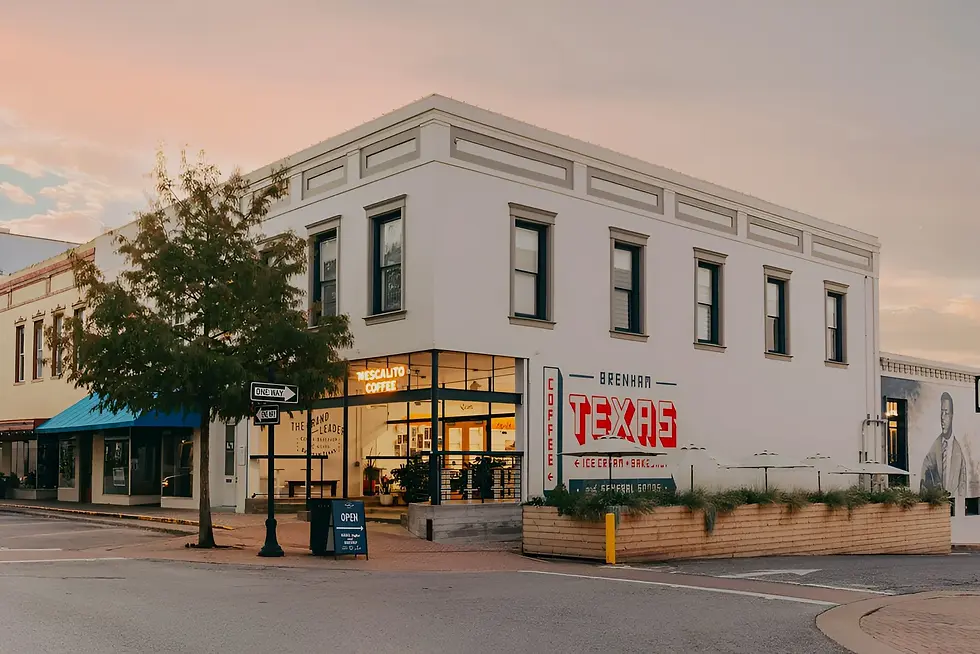


The Laundry is the best historic space I have seen- very unique!